
Introduction
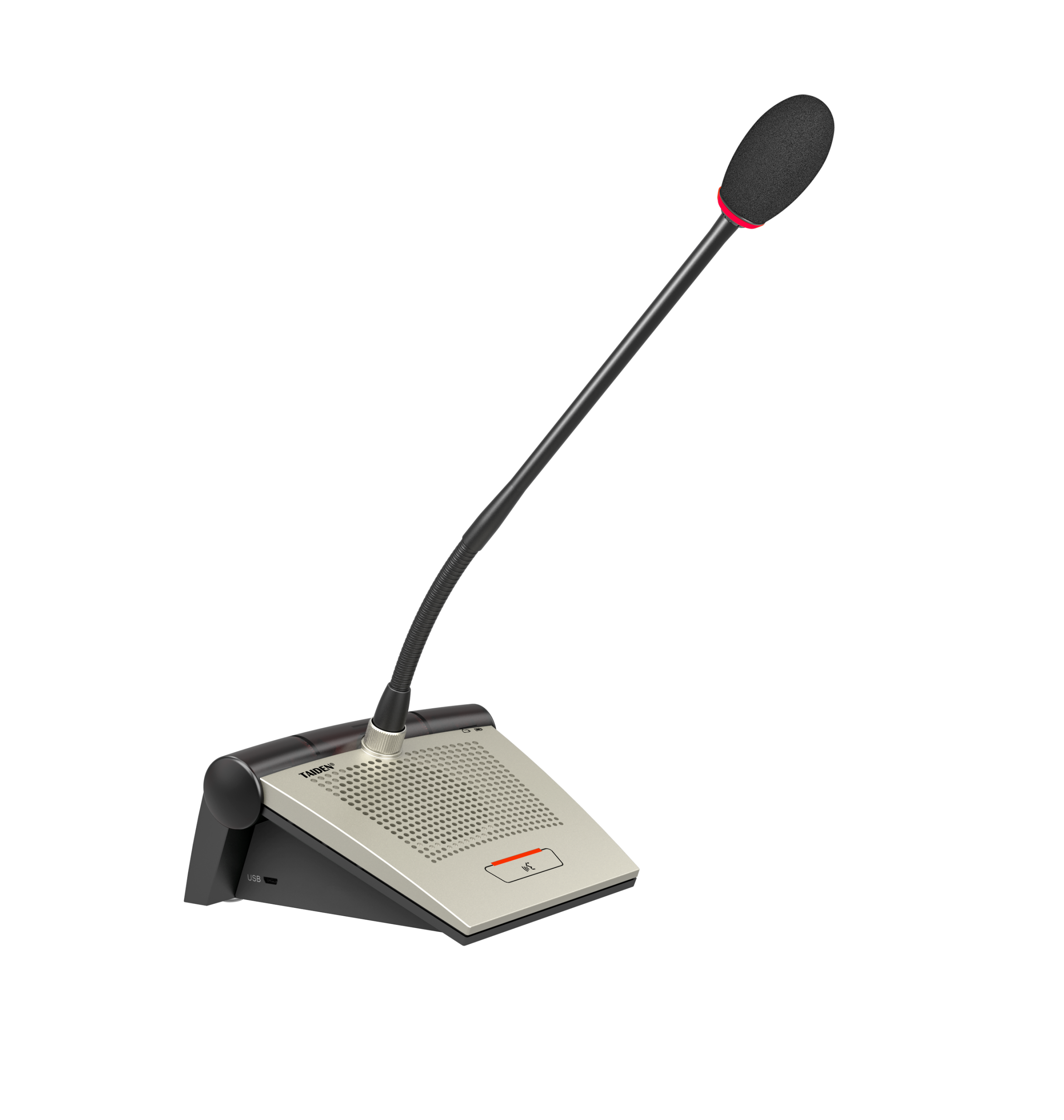
Here is a direct truth: meetings fail more from muddled audio than from weak ideas. In many rooms, a wireless conference system is treated like an optional extra, not core infrastructure. Picture a hybrid team trying to close a client review. The leader speaks. Two remote members miss the key point. Time slips. Studies show up to 23% of meeting time is lost to repeats and fixes, and a 150–300 ms delay can drop comprehension fast. A modern wireless conference room microphone and speaker system changes that baseline by controlling latency, shaping room gain, and managing packet loss concealment. You reduce rework before it starts—funny how that works, right?
Data is clear, but the daily scene is louder. Laptop mics pull in HVAC noise; voices blur in the back row; people talk over each other. Then the awkward pause arrives. Was that heard? Do we repeat? Smart beamforming, stable QoS, and clean DSP do not just sound nice. They rescue attention. They also reduce fatigue for the note-taker who gives up after the third “Sorry, can you say that again?” So, let us walk through why we keep suffering, and how a better baseline can be gentle, precise, and fair to everyone. Let’s move to the part that most teams ignore.
The Quiet Cost of Cables and Legacy Audio Chains
Where do cables really cost you?
Legacy setups look safe. They are not. Long cable runs create hum paths and ground loops. That makes noise floors creep up. Rack mixers plus power converters add points of failure. When one device reboots, the chain hiccups. The latency budget grows across the codec, the A/D, and the switch. Users hear it as talk-over or clipped starts. That is not a “people problem.” It is signal flow. In busy rooms, RF spill from laptops and LED walls hits old receivers. Without proper RF spectrum planning, you get dropouts at the worst time. And when IT applies generic QoS, voice packets fight screen share traffic. Jitter buffers swell. Words smear. Look, it’s simpler than you think: predictable audio needs fewer hops, clean clocking, and adaptive gain, not more knobs.
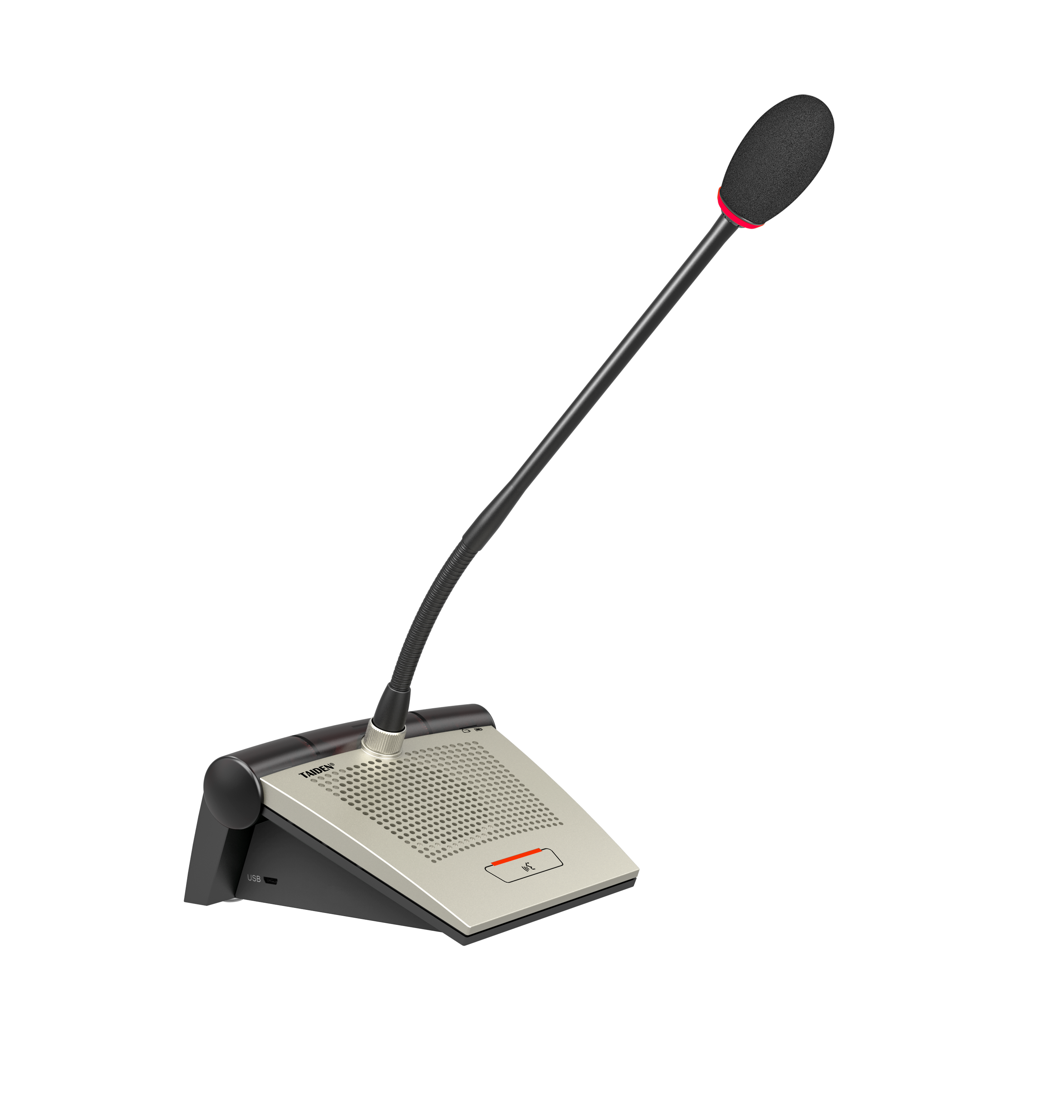
Table chaos is another tax. Wired goosenecks force seating plans. Quick workshops turn slow because changing a layout means moving ports, not just people. Meanwhile, ceiling arrays without smart beamforming lift the entire room, including the projector fan. That invites aggressive noise gates. Then soft-spoken staff get cut off mid-thought. The result is bias, not balance. There is also maintenance drag: firmware mismatches, static IPs, and brittle presets. When one presenter brings a new laptop, the chain breaks. Users blame themselves. They should not. The system should manage AES-128 encryption, automatic channel allocation, and edge computing nodes for local processing. The room should adapt to the agenda, not the other way around.
From Pain Points to Principles: How Next‑Gen Wireless Changes the Baseline
What’s Next
The forward path is not magic. It is principles. First, microphones that do beamforming at the edge reduce room noise before traffic hits the network. That means the DSP works on cleaner signals. Second, adaptive RF with dynamic frequency selection locks onto clear bands in real time. Interference drops, stability rises. Third, a low‑latency codec with packet loss concealment keeps speech intact even when Wi‑Fi jitters. Add deterministic QoS on the switch, and your end‑to‑end stays under 20–30 ms. People stop stepping on each other’s words—small change, big relief. When wireless meeting equipment follows these rules, rooms become flexible by default. You roll from a stand‑up to a board session without dragging cables across the floor.
We can compare futures. One path keeps the patch bay, the racks, and the “do not touch” sign. The other path treats microphones, speakers, and control as software‑defined devices. Updates come over the air. Profiles load by calendar event. The system tunes gain automatically for a six‑person huddle or a 24‑seat U‑shape. Maintenance shifts from guesswork to metrics: channel density, SNR, and latency alarms (all readable on a dashboard). It is less drama and more flow—funny how alignment invites better talk. Summing up the earlier points: the old chain wastes time and attention; the new chain works by simplifying hops, protecting spectrum, and automating gain. Now, if you must choose, use a clean checklist.
Advisory close: consider three metrics before you decide. 1) Latency and resilience: can the system hold sub‑30 ms with packet loss concealment under 1% drop rate? 2) Spectrum and capacity: does it auto‑manage RF, support channel density for your largest room, and secure traffic with AES‑128 or better? 3) Manageability: do you get API access, role‑based control, and health alerts without a laptop trip to the rack? If yes, your meetings will sound like your ideas—clear and focused. For more context on mature design and ecosystem thinking, see TAIDEN.