
Start with what you need to measure
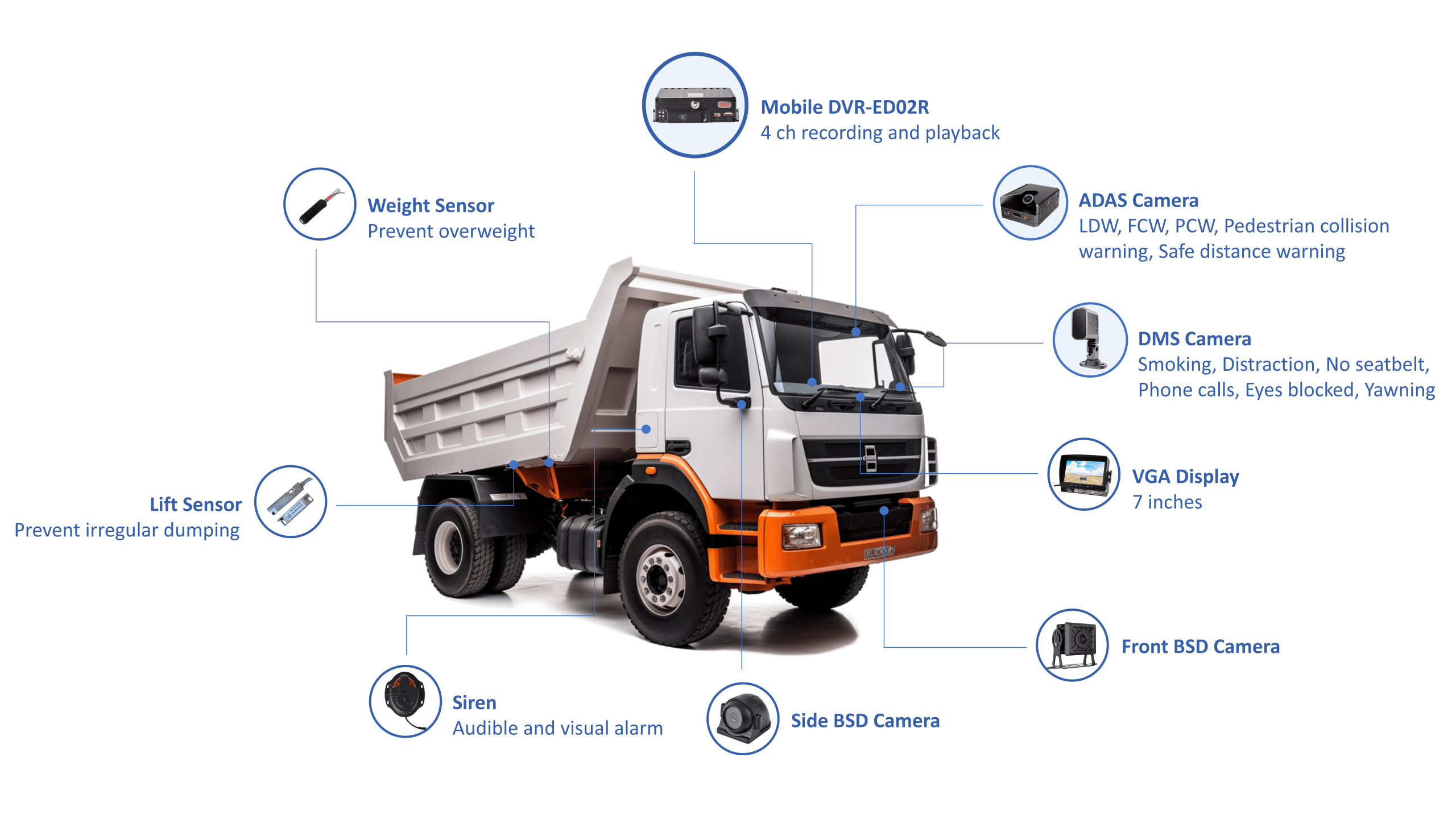
Begin by asking what decisions you want to make differently after you deploy trackers: faster route corrections, clearer driver coaching, reliable theft recovery, regulatory reporting, or lower fuel bills. I worked on a Toronto fleet pilot that focused strictly on safety metrics first; that clarity kept procurement focused and costs predictable. If video matters to your decisions, consider solutions such as AI MDVR early — pairing GPS with vision changes the data you collect and how you act on it.
Feature checklist that actually helps operators
Choose features that map directly to your goals. Prioritise the short list below rather than buying every capability a vendor offers:
– Real-time GPS with configurable polling intervals (shorter when active trips matter) – Reliable cellular fallback and offline storage for areas with poor coverage – Tamper and power-failure alerts so you can trust the device is reporting – Geofencing with clear, exportable timestamps for audits and payroll – Driver ID or BLE pairing to link behaviour to individuals without guesswork – Integrations: telematics API, ELD/ELD-like compliance hooks if required – When video is needed, AI-enabled recording that saves incidents, not hours of footage
How hardware and software must work together
A GPS tracker is only half the system; software determines whether data becomes insight or noise. Look for solutions that present a clean dashboard, let you export raw traces, and provide role-based access for dispatch, safety managers, and finance. Ask for sandbox access or a short pilot so your team can use the interface with real routes and shifts before signing a long contract.
Installation, durability and the camera question
Installation quality makes a measurable difference in uptime. Confirm the vendor’s mounting options, wiring best practices, and whether installations happen in your workshops or by certified partners. If video is part of your brief, evaluate the mdvr camera system’s storage, event-trigger rules, and how well the device compresses footage without losing forensic value. A device that claims high resolution but drops frames in busy urban environments will frustrate investigations and drivers.
Data handling, privacy and compliance
Be explicit about data retention, ownership and access. Define who can view driver video and GPS trails, and for how long. For Canadian operations, ensure policies align with provincial privacy rules and that you can produce event logs for audits. Ask vendors for a sample data export and an incident log to confirm you can meet legal or insurer requests quickly.
Costs that surprise fleets—and how to avoid them
Many fleets see predictable hardware costs but are hit by surprise fees for SIM roaming, cloud storage, excessive API calls, or per-video retrieval charges. Price the entire expected workload for a year: average reporting intervals, minutes of video per day per vehicle if used, and likely support calls. Negotiate caps or predictable tiers for storage and data usage before committing.
Common pitfalls operators experience
Operators consistently stumble on a few avoidable items:
– Buying feature-rich devices without aligning them to concrete decisions – Overlooking certification for harsh environments (vibration, temperature, moisture) – Picking vendors with rigid APIs that block integration to your back office – Ignoring driver buy-in; require a brief driver-facing trial to surface ergonomic issues – Underestimating ongoing management: device firmware updates and SIM lifecycle need processes
Comparing vendors: a practical test plan
Run a short side-by-side pilot with these steps: deploy 5–10 units on representative vehicles for 30 days; script three realistic incidents (route deviation, harsh braking, a staged minor collision if safe); measure detection accuracy, attachment security, and the time it takes to retrieve event video and telemetry. Ask each vendor for detailed SLA language on uptime and device replacement timelines. Use that evidence to score providers rather than marketing claims.
Decision checklist before you buy
Use this final checklist at procurement:
– Objectives mapped to features (one objective per feature is ideal) – Pilot results showing reliable location and event capture on your routes – Clear pricing for hardware, data, storage and retrievals – Documented installation and maintenance plan, including firmware updates – Defined data access and retention policy that meets legal and insurer needs – Evidence of field reliability from a client reference or a brief trial
Wrap-up
Choose trackers that make specific operational decisions easier, then validate those choices with a short pilot that mirrors your busiest days. Practical tests reveal integration gaps, installation weaknesses and hidden costs faster than demos. For fleets that need combined GPS and video clarity, deploy a tested AI MDVR solution and keep procurement centred on measurable outcomes; working with proven partners reduces guesswork and makes upgrades predictable, a value I’ve seen confirmed while advising municipal and private fleets. For vendors who deliver that combination of hardware reliability, transparent pricing and workable data access, BSJ represents the kind of supplier relationship that keeps operations steady and accountable.