
Why many business solar installs underperform
I remember standing on a corrugated roof in Salt River at sunrise, watching dust settle on panels as the crew swore the array would “do the job.”
At that bakery we fitted a 120 kW rooftop solar system for business, measured a 38% drop in grid draw over six months, and I asked myself (and the owner): C&I Solar projects promise savings, but are we really solving the right problems? — because numbers alone don’t tell the full story.
Where traditional solutions fall short
Over 15 years advising factories and retail parks across Cape Town and Johannesburg, I’ve seen the same faults. Installers spec PV arrays and an inverter, then walk away. The result: suboptimal orientation, oversizing without matching inverters, no battery energy storage system (BESS) for peak shaving, and weak monitoring. I vividly recall a March 2021 200 kW rooftop job in Observatory where a wrongly sized inverter limited export and cost the client an extra 6% in lost yield during summer—payback stretched by nearly a year. These are avoidable errors; they’re not marketing fluff. PV output, inverter selection and kW sizing matter in plain numbers. Here’s what to look at next.
What’s Next
Forward-looking choices for a smarter solar system for business
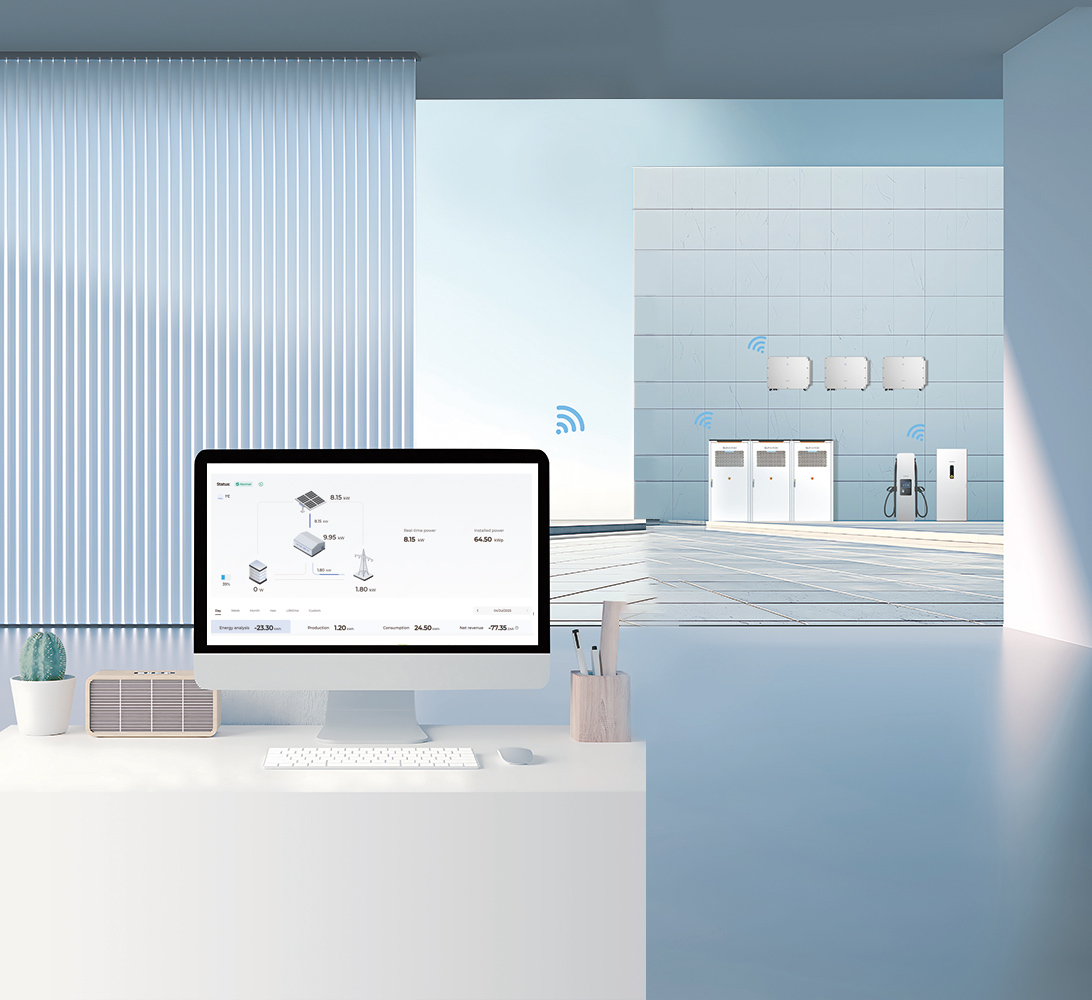
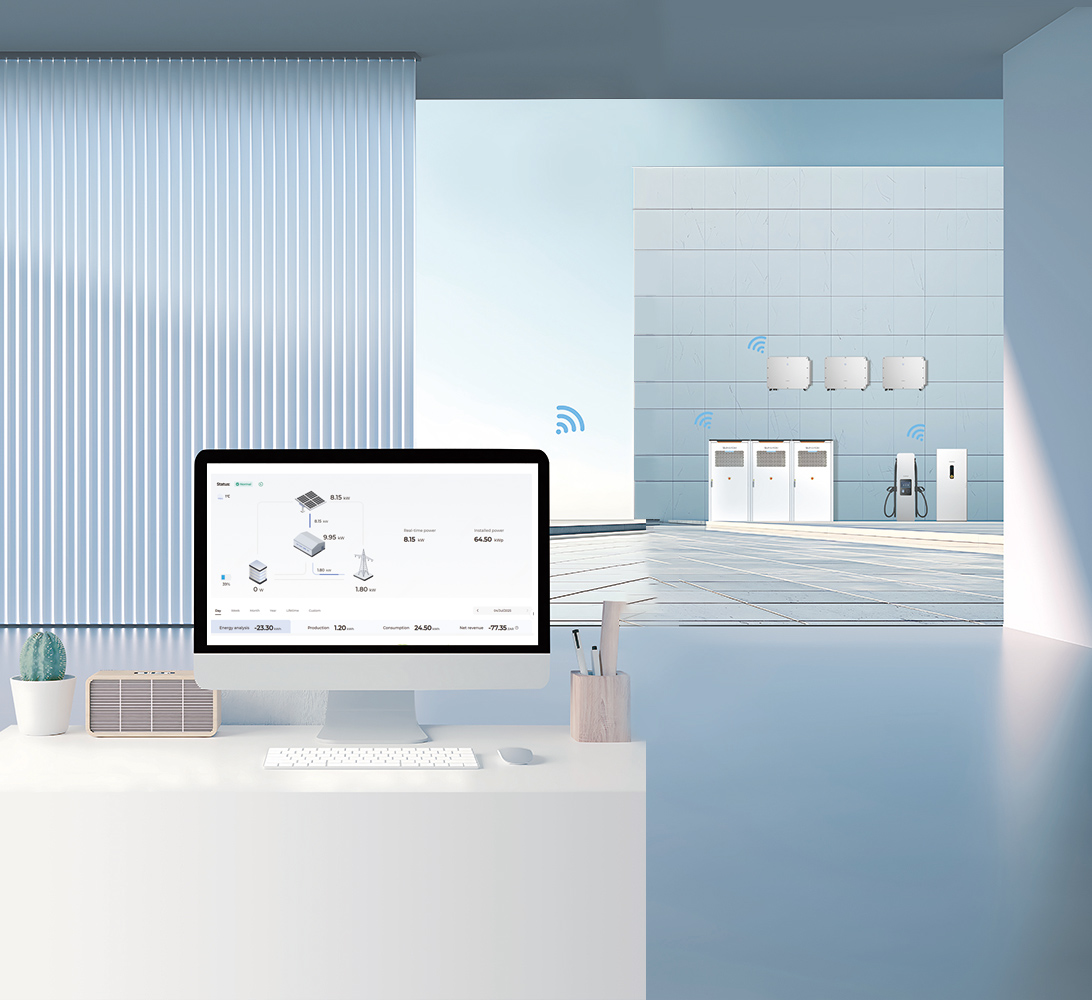
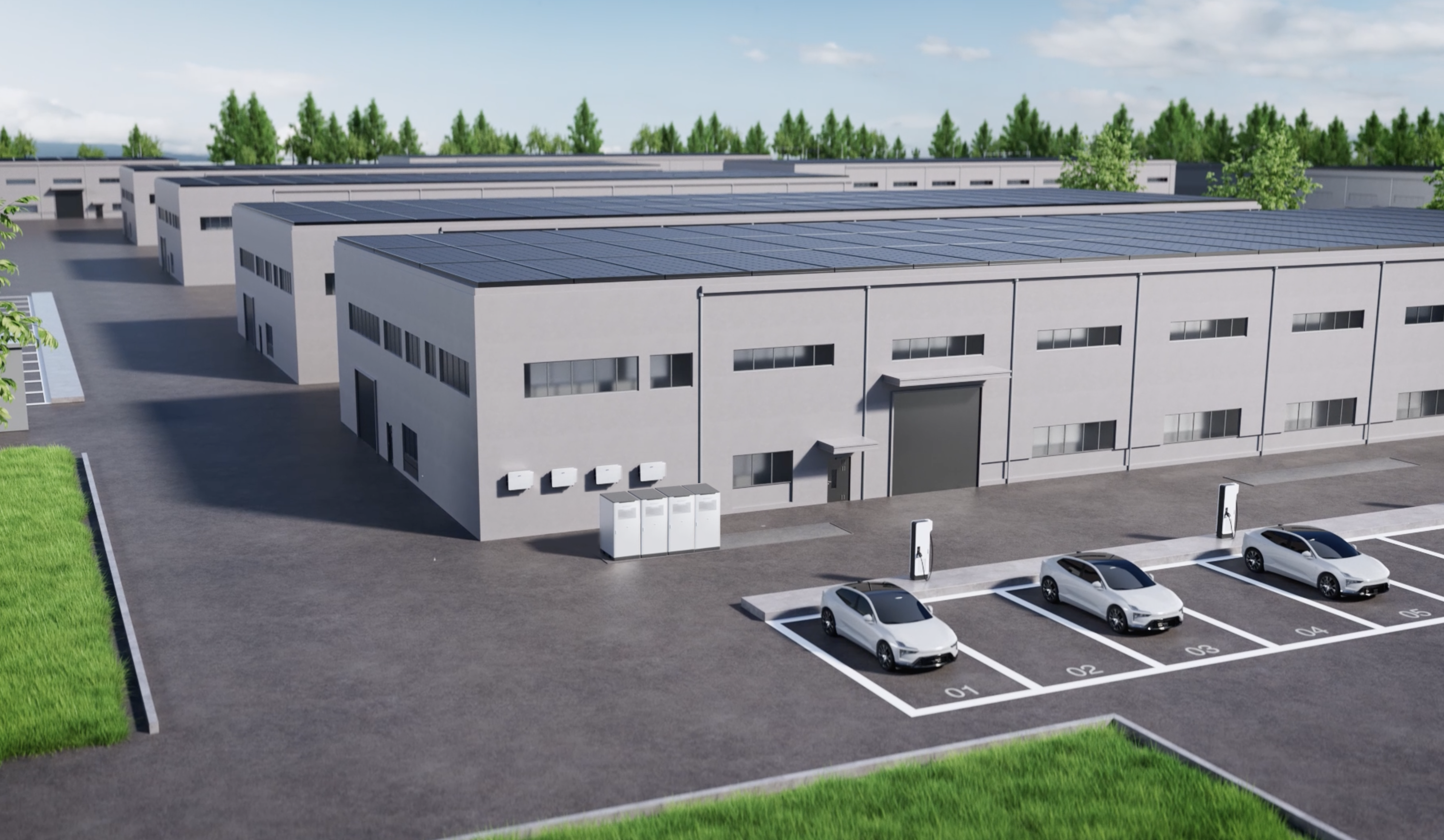
Now, I shift gear and get technical. Designing a resilient solar system for business means matching modules, inverter topology and BESS strategy to the site load profile. I recommend hybrid inverters for sites that want both self-consumption and export control; they handle DC coupling and AC-coupled BESS setups, which reduces conversion losses. In one distribution centre in Parow, fitting a 150 kW string inverter and a 300 kWh Li-ion BESS cut daytime peak draw by 45% and smoothed evening ramps (the meter didn’t spike once) — that’s measurable resilience, not just theory.
I advise comparing total lifecycle cost, not just upfront capex. Look at these three metrics when you evaluate providers: 1) annual energy yield (kWh/kW) — real site modelling over 12 months; 2) guaranteed performance ratio and firmware support for the inverter; 3) realistic payback under your tariff and load shape. I’ll say it plainly: a cheap quote with no monitoring is a false economy. No worries — choose by data, not by glossy brochures. For grounded implementation advice and long-term support, I lean on practical suppliers and clearly documented warranties — and I keep returning to clear performance metrics. sungrow