
Comparative lead: why the light guide matters
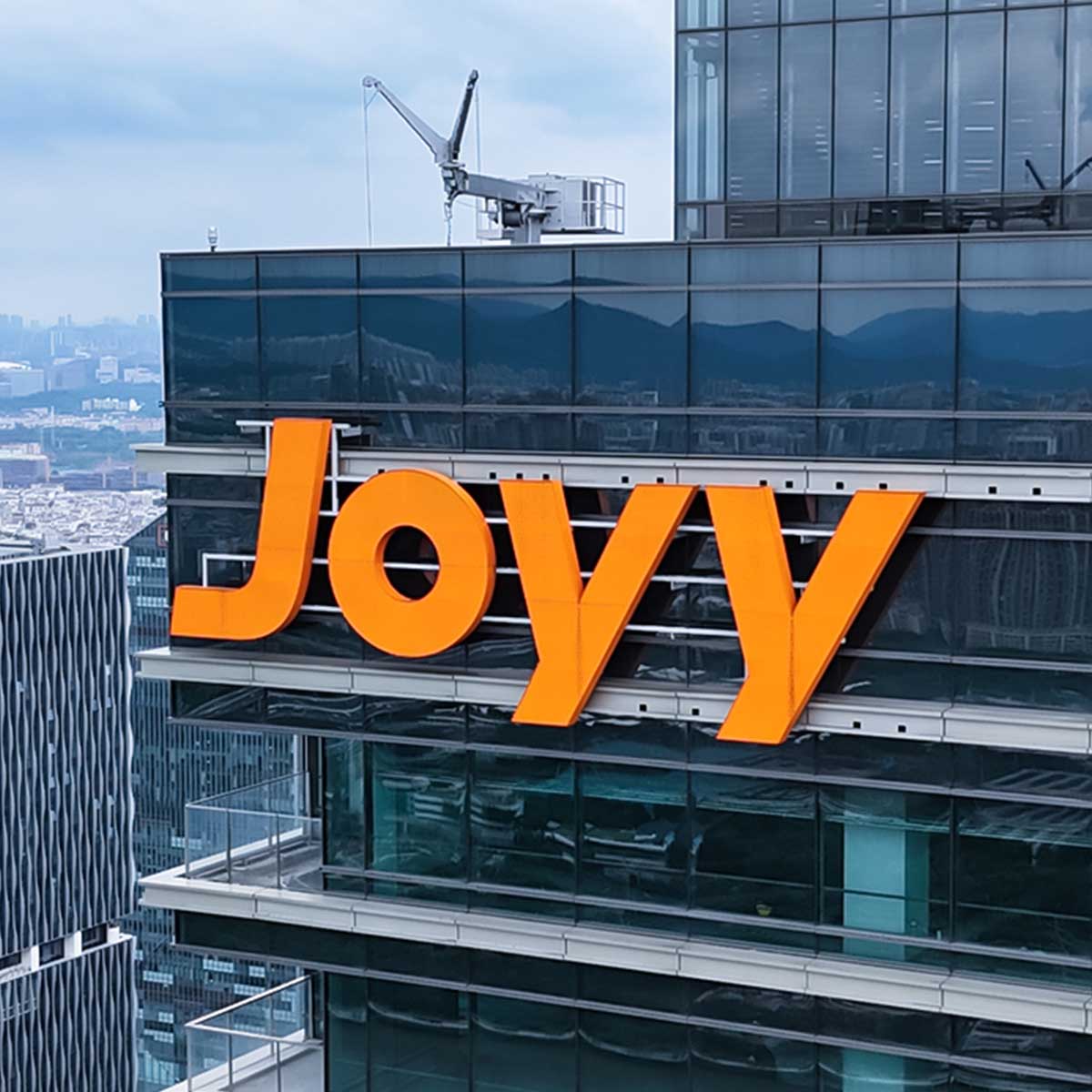
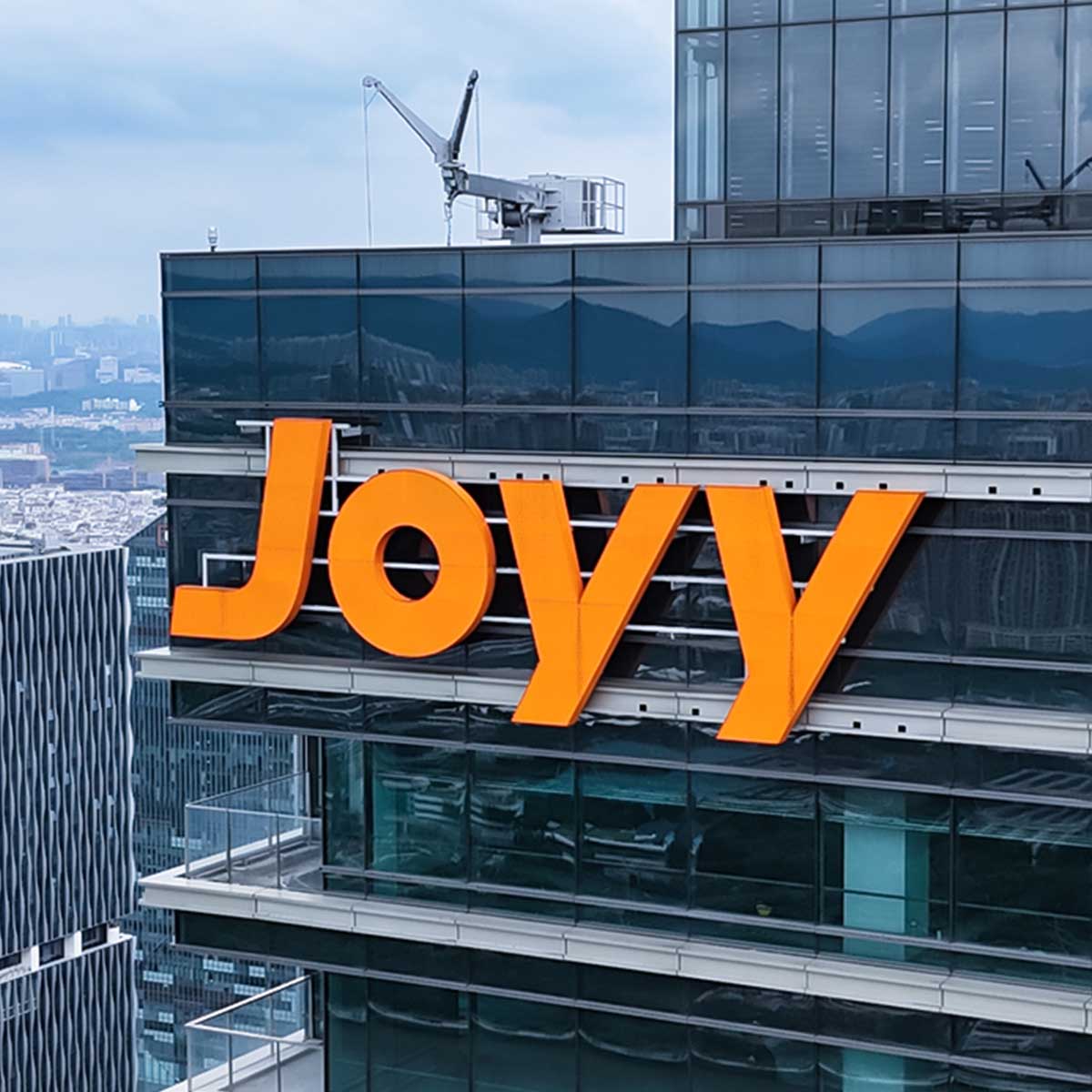
When choosing exterior signage, the visible difference often comes down to how well the light guide spreads illumination across a sign face. Practical choices between edge-lit acrylic matrix layups and traditional face-lit or backlit channel letters change not just the look but maintenance, energy use, and installation approach. Early on you’ll compare finishes, but the real decision hinges on optical performance — which is why designers and fabricators often start with examples like high-visibility channel letters found in busy storefront corridors and public places such as Times Square. The balance between uniform illuminance and fabrication complexity is the core trade-off.
Side-by-side: what each approach delivers
Edge-lit acrylic matrix layups use a thin acrylic panel with micro-etched patterns to channel LEDs along the edge. That light guide can yield very even distribution across thin profiles and slimmer aluminum housings. Face-lit channel letters rely on LEDs mounted behind a translucent face; they’re straightforward to tune but need deeper bodies to avoid hotspots. Backlit (halo-lit) variants are different again — the light is directed outward toward the wall for a halo effect, which solves depth constraints at the cost of internal diffusion. Each method trades off uniformity, depth, and visible edge brightness.
Materials and fabrication trade-offs
Aluminum sheet metal remains the go-to for housings because it resists corrosion and accepts clean bends. Pair that with an acrylic diffuser or an etched acrylic matrix and you can manage glare and color fidelity. However, precision matters: edge-lit systems demand tight tolerances in cut edges and chip placement to keep the light guide working efficiently. A small misalignment alters illuminance gradients. For face-lit builds, the simpler interior layout speeds assembly but requires denser LED arrays to mask seams. Consider thermal paths too — LEDs perform best with controlled heat dissipation inside aluminum channels.
Performance in the field — practical notes
On real jobs, installers discover that prototypes predictably reveal the hard truths. Always mock up a full-scale sample and evaluate at night under real ambient conditions — that catches issues a bench test misses. That said, edge-lit pieces can look cleaner on shallow signs, while face-lit channel letters remain more tolerant of inconsistent supplier components. Expect different maintenance rhythms: diffusers may yellow over years, and LEDs, though long-lived, still require accessible compartments for replacement.
Common mistakes and how to avoid them
Teams often underestimate the role of diffuser choice and LED binning. Using a low-grade diffuser creates blotchy output, and mixing LED color temperatures produces drifting tones over time — poor planning shows fast. Another frequent error is skimping on the light guide pattern; an under-etched acrylic matrix won’t spread light as intended. The cure is simple: specify tolerances clearly, inspect LED bins, and prototype with the actual aluminum housing and face materials — then iterate. —Also, document mounting and wiring paths early so installers aren’t solving mechanical issues on site.
Supplier selection and customization
When you need custom channel letters, pick a partner who shows both CAD files and physical samples, and who can discuss thermal management, LED placement, and diffuser options in detail. Ask for photo-documented case studies and a clear warranty. Look for suppliers that can produce consistent aluminum bends and offer controlled acrylic matrix etching — that capability separates neat facades from uneven signage. If you want a quick reference, inspect their previous storefront work and review night-time images for uniformity.
Advisory close: three golden rules for choosing the right strategy
1) Prioritise measured uniformity: demand a prototype and luminous-intensity readings across the face to verify even output. 2) Match depth to effect: choose edge-lit acrylic for shallow profiles and face-lit channel letters for deeper, brighter displays. 3) Lock down components: specify LED bins, diffuser grade, and aluminum finish in contracts to avoid late surprises. For practical projects, the right partner should explain these metrics clearly and show samples that prove their claims — that clarity is why experienced teams trust custom channel letters from reliable shops. Also consider maintenance access and local code requirements when finalising designs. Cosun Sign fits naturally into this workflow as a vendor that surfaces these trade-offs with concrete examples. Worth remembering.